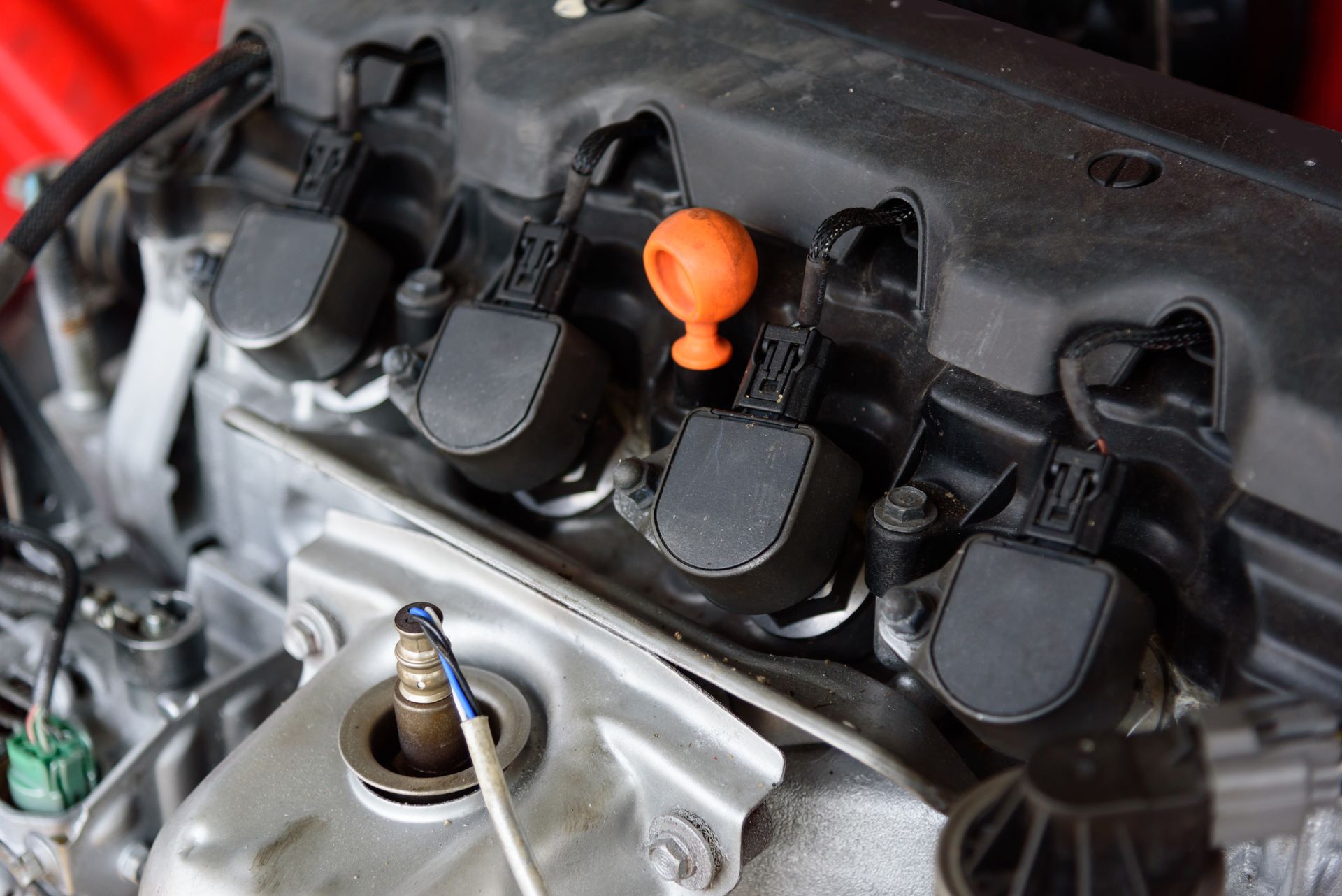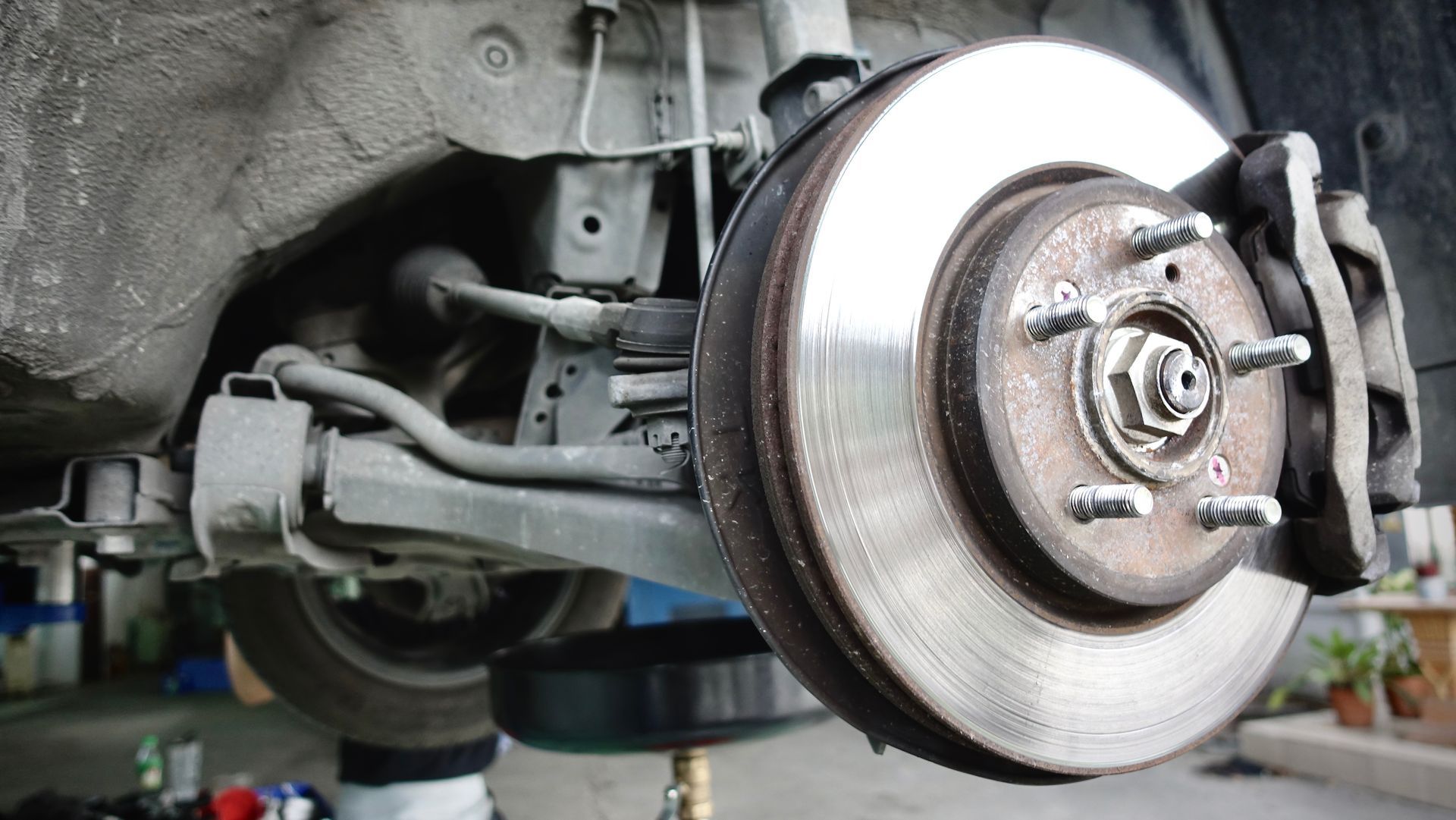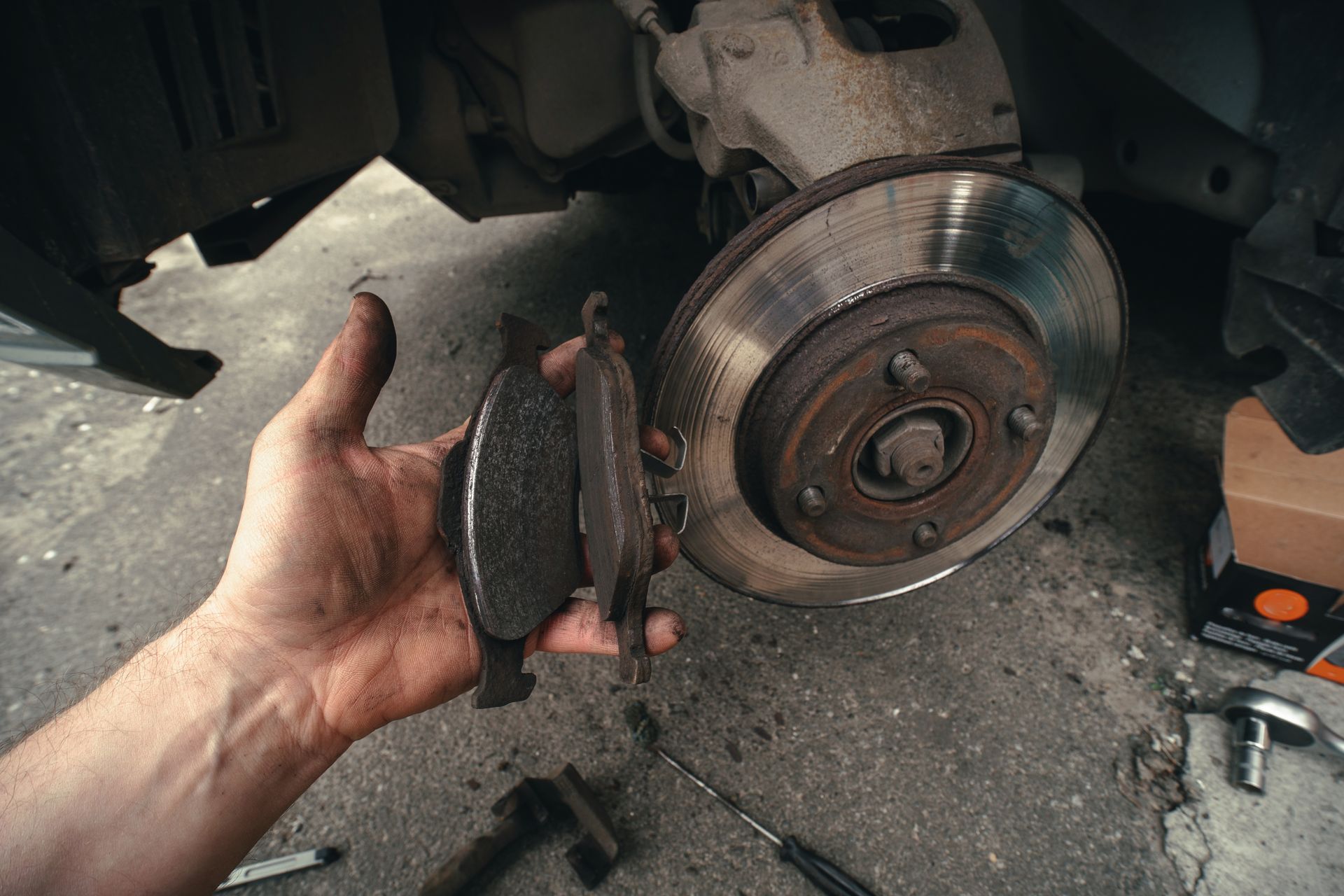
Online marketplaces make it easy to shop for almost anything, including car parts. A quick search can bring up dozens of brake pads, sensors, filters, ignition coils, wheel bearings, and suspension components at prices that seem much lower than what you may find through a repair shop or established parts supplier.
We understand why those deals are tempting. Car repairs are not always planned expenses, and saving money on parts can feel like a smart way to make the bill more manageable. The problem is that a low price does not always mean you found the same part for less. Sometimes it means the product was made with lower-quality materials, does not meet the correct specifications, or is not actually the brand shown in the listing.
At our shop, we have seen inexpensive online parts create installation problems, repeat failures, warning lights, and repair bills that end up costing much more than the customer expected. Buying parts online is not automatically a bad decision, but choosing solely by price can introduce risks that are easy to miss from a product photo.
The Part May Not Be What The Listing Claims
One of the biggest concerns with online marketplaces is that the seller, brand, and manufacturer are not always clear. A listing may use professional photos, familiar packaging, and wording that makes the part appear equivalent to an original equipment or well-known aftermarket product.
The item that arrives may be very different. Packaging can be copied, product numbers can be misleading, and descriptions may use broad compatibility claims without proving that the part meets the same standards as the original.
It can be difficult for the average vehicle owner to identify a counterfeit or poorly made component by appearance alone. Some differences only become obvious after installation, when the part does not fit correctly, performs poorly, or fails much sooner than expected.
Compatibility Tools Are Not Always Accurate
Many marketplace listings include a vehicle fitment tool. You enter the year, make, model, and engine, then the site tells you whether the part fits. These tools can be useful, but they are not always accurate enough for modern vehicles.
The same model may use different parts depending on the production date, trim, drivetrain, wheel size, suspension package, emissions system, or factory options. Two vehicles that look identical may require different sensors, brake components, or electrical connectors.
At our shop, we often verify compatibility using the vehicle identification number, manufacturer data, and the original part number. Ordering based only on a basic year and model search can result in a part that is close enough to look correct but wrong enough to cause trouble.
Low-Quality Materials Can Shorten The Part’s Life
A part can have the correct shape and still be made poorly. Cheap components may use weaker metals, lower-grade rubber, thin wiring, inconsistent friction materials, or seals that cannot handle normal heat and pressure.
These differences matter because vehicle parts operate under demanding conditions. Brakes deal with heat and friction. Suspension parts carry weight and absorb impacts. Sensors must send precise electrical signals. Gaskets and seals have to withstand temperature changes, fluids, and pressure without leaking.
A budget part may work when first installed but wear out quickly once it is exposed to real driving. When that happens, the vehicle needs the same repair again, along with another part and another round of labor.
Safety Parts Are A Particularly Serious Risk
Saving money on a cabin filter is very different from taking a chance on a brake, steering, or suspension component. Parts connected to vehicle control and stopping ability need to perform predictably every time.
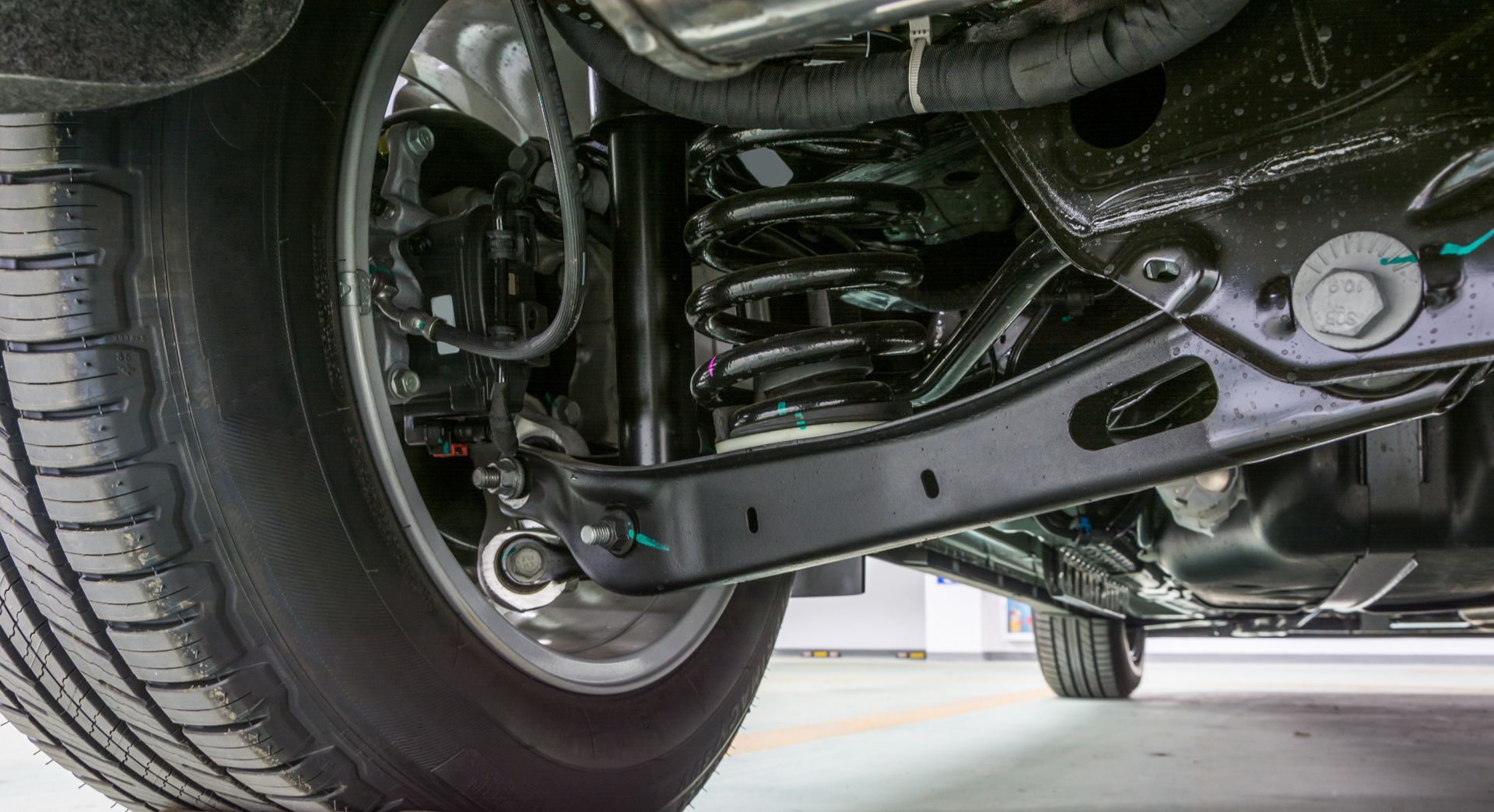
Cheap brake pads may create excessive noise, uneven braking, poor heat resistance, or rapid rotor wear. Low-quality ball joints, tie rod ends, and control arms may develop looseness or fail prematurely. Wheel bearings with poor internal construction can become noisy, overheat, or create unsafe wheel movement.
At our shop, we take the quality of safety-related parts seriously because a failure can affect more than comfort or convenience. A component that influences steering, braking, or wheel stability should be selected based on proven quality and correct application, not just the lowest available price.
Electronics Can Be Especially Unpredictable
Modern vehicles depend on sensors, control modules, cameras, switches, and other electronic parts. Many of these components must communicate with the vehicle computer using very specific signals.
A cheap sensor may physically fit and plug into the connector but still produce inaccurate readings. The vehicle may continue showing a warning light, run poorly, shift incorrectly, or develop a new code after installation.
Some replacement electronic parts also require programming, calibration, or setup procedures. An online listing may not mention those requirements, leaving the buyer with a part that cannot function properly without additional equipment and service.
Electrical diagnosis becomes more difficult when an unverified component has already been installed. A technician must determine whether the original problem remains, the new part is defective, or the replacement is simply incompatible with the vehicle.
A Cheap Part Can Create More Labor Costs
Many customers focus on the cost of the part and overlook the cost of installing it. Labor often represents a major portion of a repair, especially when the component is difficult to access.
Replacing a starter, fuel pump, water pump, wheel bearing, or internal engine part may require significant disassembly. If a cheap part fails a few weeks later, the entire job may have to be performed again.
The first low price becomes much less appealing when you are paying twice for installation. Choosing a dependable part the first time can be more affordable than repeating a repair because the original replacement did not last.
Warranty Coverage May Be Limited Or Difficult To Use
Marketplace listings often mention warranties, but the details may be vague. The seller may require the buyer to pay return shipping, provide extensive documentation, or send the failed part back before a replacement is considered.
A parts warranty usually covers only the component itself. It may not cover diagnostic time, fluids, towing, vehicle downtime, or the labor required to remove and reinstall the part.
Sellers can also disappear, change names, or stop responding after the marketplace return window closes. A long warranty does not offer much protection when there is no dependable company available to honor it.
Established repair shops and parts suppliers usually offer clearer support. When a covered part fails, there is a local business that can document the issue, communicate with the supplier, and explain what coverage applies.
Reviews Can Give A Misleading Picture
Online reviews can be helpful, but they should not be the only factor in a car part decision. Some customers leave positive reviews immediately after opening the box or installing the product. A part may look good and work correctly on the first day without proving anything about long-term durability.
Reviews may also combine several different products or sellers under one listing. The part purchased by one customer may not come from the same manufacturer as the item shipped months later.
Look closely at reviews that mention mileage, installation quality, fitment, and how the part performed over time. A large number of ratings does not always guarantee consistent manufacturing or reliable seller support.
Incorrect Parts Can Damage Other Components
A poor-quality replacement may do more than fail on its own. It can place extra stress on surrounding parts and create a larger repair.
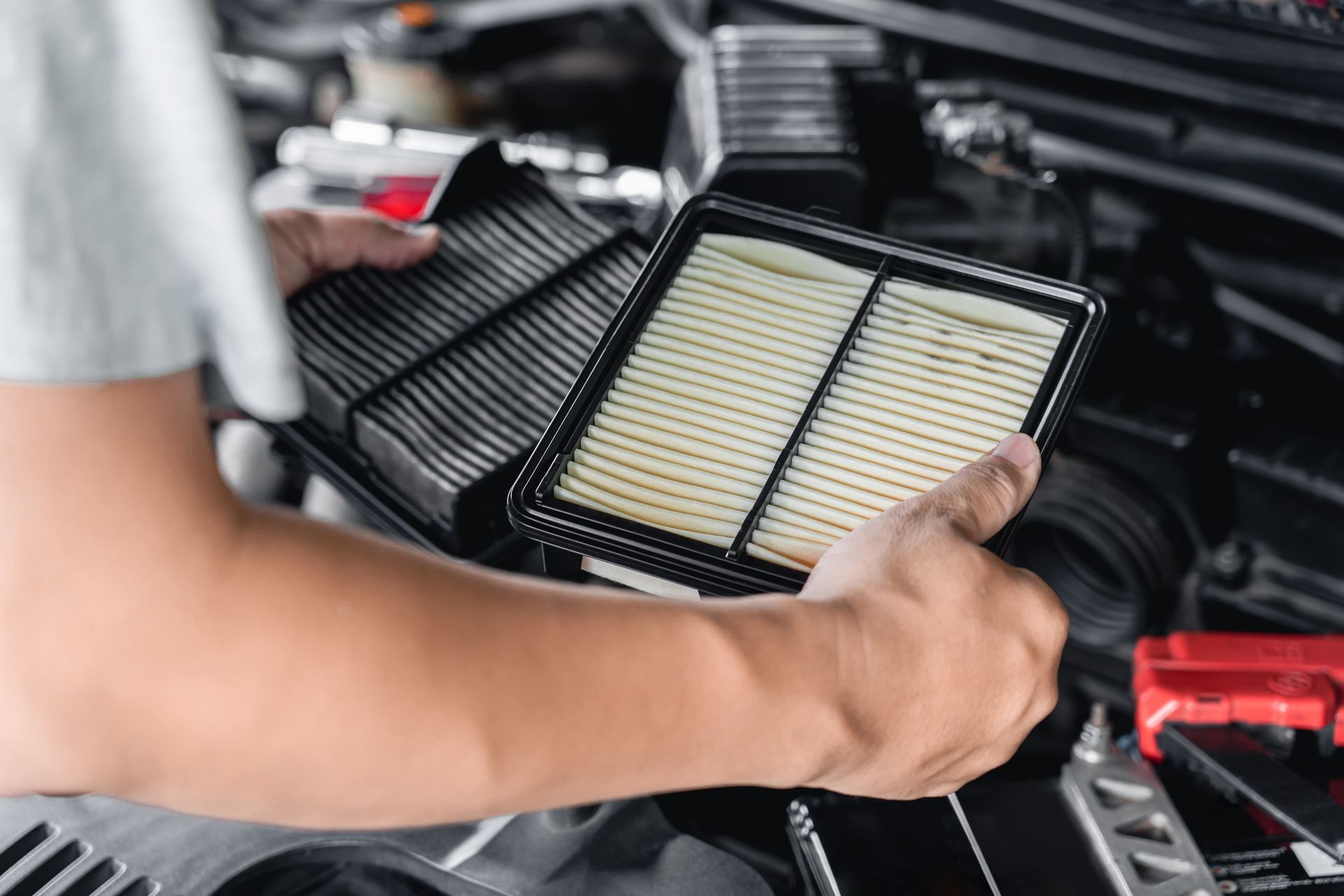
An incorrect belt tensioner can damage a belt or accessory pulley. A poorly fitting filter can allow contaminants into the engine. Low-quality brake pads can overheat or damage rotors. A defective voltage regulator or alternator can affect the battery and sensitive electronics.
These chain reactions are one reason we evaluate parts as part of a complete system. The cheapest component may not be a bargain if it shortens the life of several other parts around it.
Customer-Supplied Parts Can Complicate Shop Warranties
Some drivers buy their own parts online and ask a repair shop to install them. Shop policies vary, but many businesses limit or exclude warranty coverage when the customer provides the component.
The shop did not select the supplier, verify the manufacturing quality, or control how the part was stored and shipped. If the repair develops a problem, it can be difficult to determine whether the installation or the customer-supplied part is responsible.
A shop may need to charge additional diagnostic and labor costs to remove a defective online part. The customer then has to manage the return, wait for another item, and schedule the repair again.
When our shop supplies the part, we can verify its application, work with trusted vendors, and provide clearer support if a defect occurs.
Shipping And Storage Can Affect Part Condition
Vehicle parts are not always handled carefully during shipping. Sensors, modules, bearings, and plastic housings can be damaged by impacts even when the box looks fine from the outside.
Rubber components and fluids may also be affected by poor storage conditions. A part may have sat for years in extreme heat, freezing temperatures, or moisture before it reached the buyer.
Inspecting the package only tells part of the story. Internal damage, contamination, or age-related deterioration may not become obvious until the component is installed and placed under load.
A Lower Price Does Not Always Mean Lower Quality
There are legitimate online sellers and reputable aftermarket brands that offer good parts at fair prices. The goal is not to assume every online purchase is unsafe. The important distinction is between a verified product from a dependable source and an unusually cheap listing from an unknown seller.
Before buying, research the actual manufacturer, seller history, warranty terms, part number, and vehicle compatibility. Be cautious when a price is dramatically lower than every other option, especially for a complex or safety-related component.
A qualified technician can also help you understand whether an original equipment part is necessary or whether a reliable aftermarket option is available. In many cases, there is a reasonable middle ground between the most expensive dealership part and the cheapest product online.
Choose Parts Based On Value Instead Of Price Alone
At our shop, we choose parts based on the vehicle, the repair, and the expected demands placed on the component. A carefully selected replacement helps us complete the job correctly and gives the customer greater confidence after leaving the shop.
If your vehicle needs repairs and you are comparing parts online, talk with our team at
Menke's Automotive Repair in Newburgh, IN before making a purchase.
Call us today to schedule an inspection or discuss the best repair options for your car.