Hearing that an engine has a serious problem doesn't immediately tell you which repair makes sense. A failed cylinder-head gasket, damaged bearing, and worn cylinder walls involve very different work. The decision begins with identifying the damage and how much of the existing engine remains serviceable.
The rest of the car deserves the same review. A sound vehicle you plan to keep for years presents a different decision from one already facing major transmission, body, or structural repairs. The estimate needs to explain the finished result you are paying for.
Establish the Engine Damage Before Comparing Options
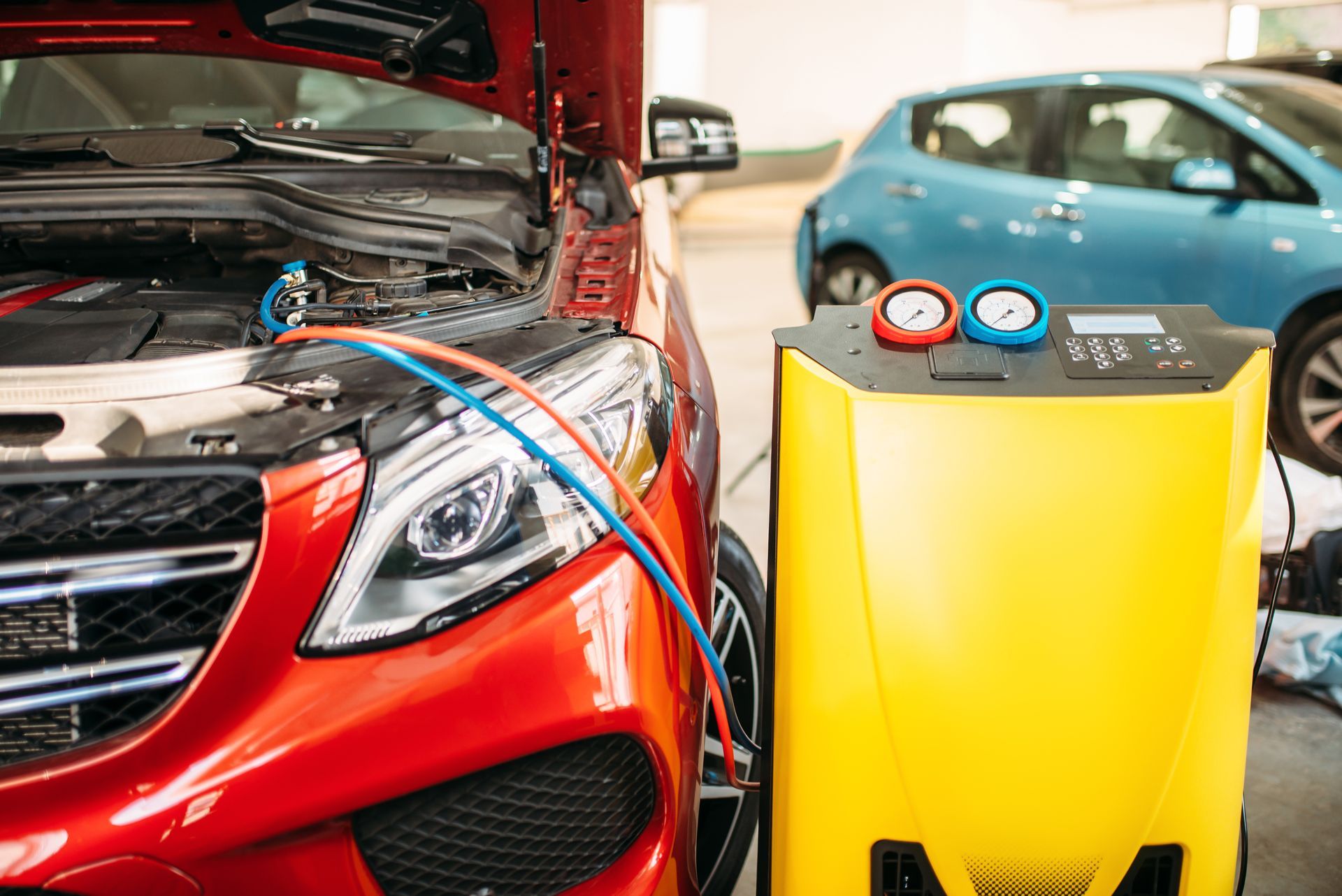
Testing may include measured oil pressure, compression, leak-down checks, cooling tests, or internal inspection, depending on the complaint. Severe knocking, overheating, or loss of compression points toward different areas. Some damage becomes visible only after disassembly, so the first testing stage should explain what is known and what remains hidden.
Find out the cost and limits of that stage before authorizing teardown. If the engine must be opened to assess bearings or cylinders, the shop should explain the next approval point and what happens if you decide against repair. A replacement decision made from a symptom alone leaves too much unanswered.
A Focused Engine Repair Fits Localized Damage
Repairing the existing engine makes sense when the failure is limited, and the surrounding parts are in good condition. A repairable cylinder head, a failed external part, or a specific sealing problem may be addressed without rebuilding the complete lower engine.
The original cause still needs correcting. If a previous overheating damaged the head gasket, the cooling fault must be found. Otherwise, the repaired engine returns to the conditions that damaged it. Likewise, fixing a leak doesn't correct internal wear already caused by prolonged low oil pressure. The repair scope should follow both the failure and its consequences.
An Engine Rebuild Reviews the Parts Inside
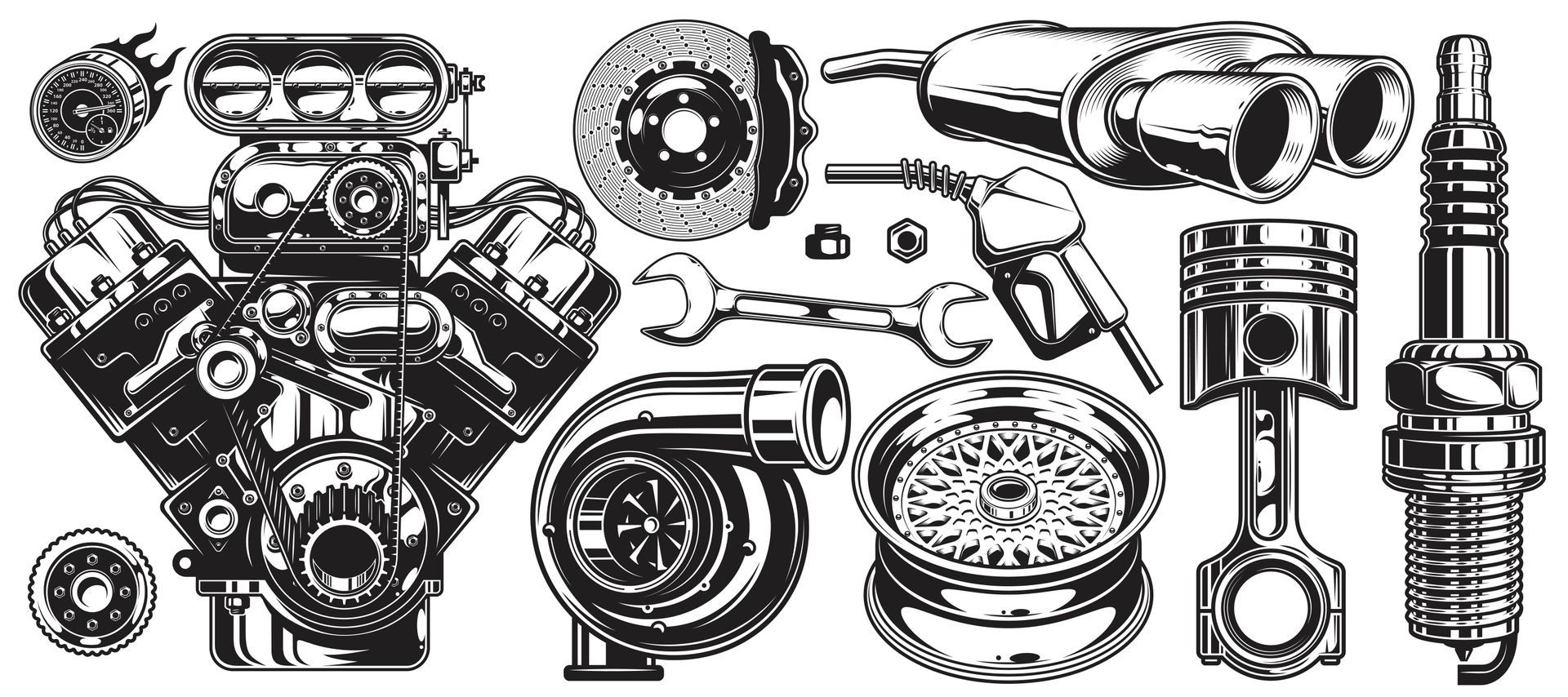
A rebuild involves dismantling the engine, cleaning and measuring the parts, and replacing or machining what is outside service limits. The scope depends on the condition of the cylinder, crankshaft, bearings, pistons, valves, and head. It is more involved than replacing the one part that failed first.
The word rebuilt still needs explanation on the estimate. Which machining is included? Which parts are being reused after measurement? What happens if the block or crankshaft proves unsuitable? Those answers help distinguish a rebuild priced around measured condition from a vague promise to freshen the engine up.
Replacement Engines Come With Different Histories
A used engine carries its previous wear and operating history. A remanufactured engine has been processed to the supplier's defined standard, with included work and coverage that should be documented. A new assembly is another option where available. Don't compare these choices as though only the purchase price changes.
Check exactly what is supplied. An assembly may require transferring intake, fuel, cooling, electrical, or accessory parts from the old engine. Compatibility, required programming, and related parts all affect the installed job. A lower engine price loses meaning if the estimate leaves major installation items out of the total.
Compare the Complete Installed Engine Repair
Before approval, review:
- The damage found and its original cause
- The repair, rebuild, or replacement scope
- The condition and source of a replacement assembly
- Included fluids, seals, and installation parts
- Required setup and final testing
- Parts and labor warranty terms
- How additional damage will be approved
The completed work should leave a usable vehicle, not merely an engine bolted into place. Cooling, lubrication, fuel delivery, and any fault that contributed to the breakdown need to be addressed as part of the plan.
Your Plans for the Car Help Set the Budget
Compare the engine estimate with the vehicle's other needs and the cost of buying another dependable car. A replacement vehicle may bring taxes, financing, and its own unknown repairs. Keeping the present car also has costs, particularly if several worn areas will need work soon.
There isn't one mileage or percentage rule that answers every case. A detailed condition review and a realistic ownership period make the choice clearer. The cheapest immediate option may suit a short remaining use, while a more complete repair may fit a car you expect to drive for several years.
Get Engine Repair Advice in Newburgh, IN, With Menke's Automotive Repair
Menke's Automotive Repair in Newburgh, IN, can assess a major engine failure and explain the repair options supported by the findings. Bring maintenance records and details of any overheating, oil loss, or previous engine work.
Contact us to arrange engine testing and an estimate for repair, rebuilding, or replacement.