Brake problems do not always show up as a loud, scary sound. Sometimes the first clue is smaller. The pedal feels a little softer. The steering wheel shakes during a stop. One wheel smells hot after a drive.
Those details are worth noticing.
Your brake system is built from parts that wear, move, heat up, and depend on fluid pressure every time you drive. When one part starts to fail, signs can appear in noise, pedal feel, stopping distance, vibration, or even how the vehicle pulls during braking.
Squealing Or Screeching When You Brake
A high-pitched squeal is one of the most common brake repair warnings. Many brake pads have a wear indicator that makes noise as the pad material wears down. The sound is meant to get your attention before the pads are completely worn out.
Not every squeal means the brakes are unsafe right away. Moisture, dust, cold weather, or certain pad materials can create light noise. The difference is whether the sound keeps returning, gets louder, or happens every time you press the pedal.
If the pads are worn thin, waiting can damage the rotors. That turns a simpler brake service into a more expensive brake repair.
Grinding Is A Bigger Warning
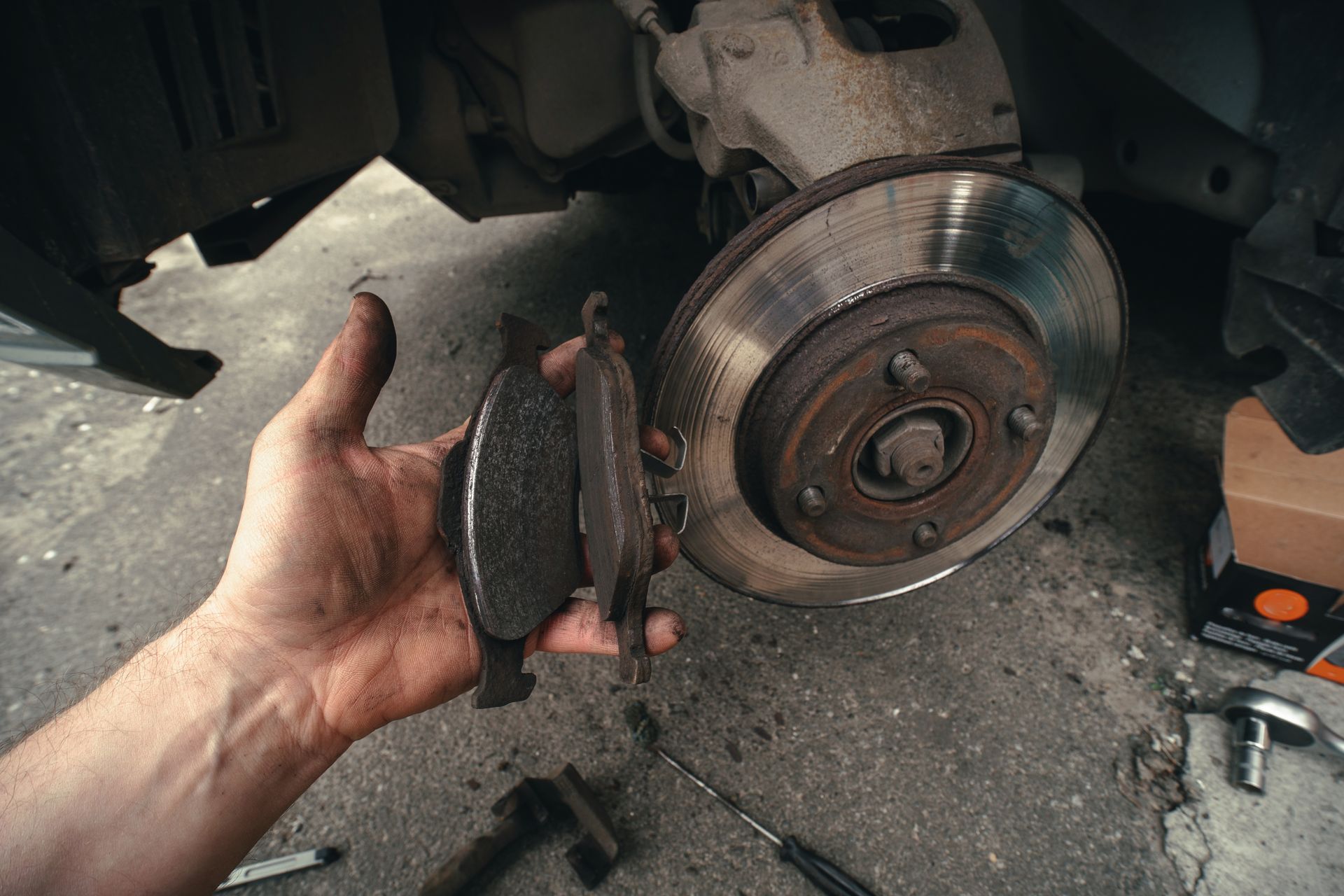
Grinding usually means the brake pads have worn too far or another part is dragging against the rotor. Metal-on-metal contact can damage the rotor quickly and reduce braking performance.
You might hear grinding only when braking, or you might hear it while driving if a caliper, pad, or hardware piece is stuck. Either way, the vehicle should be checked soon.
Once the rotor surface is deeply scored or overheated, replacing only the pads may not fix the problem. The new pads need a clean, usable rotor surface to work correctly.
The Brake Pedal Feels Soft Or Low
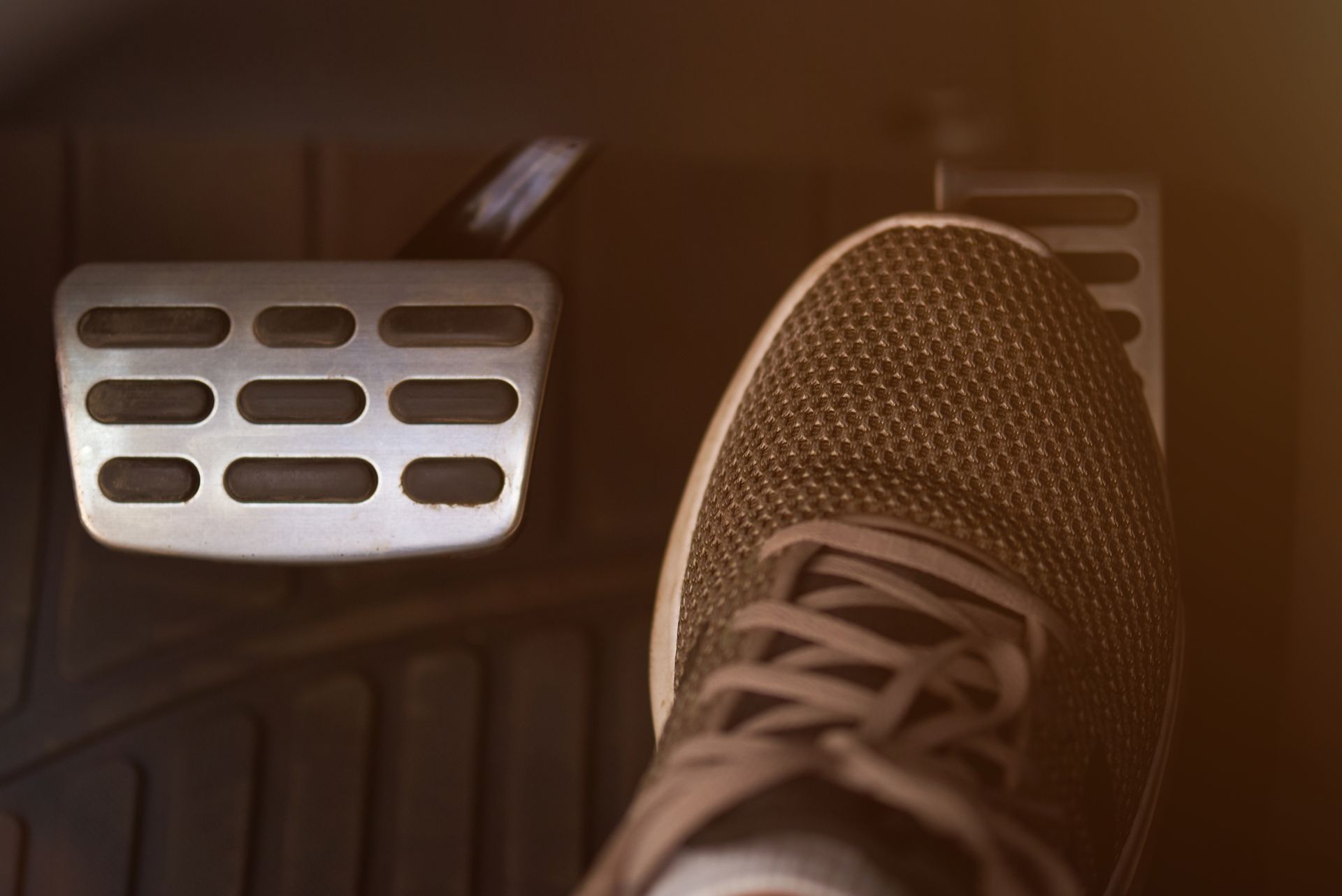
The brake pedal should feel familiar every time you drive. If it feels soft, sinks lower than normal, pumps up after a few presses, or changes from one stop to the next, the brake system needs attention.
A soft pedal can be caused by air in the brake lines, old brake fluid, a fluid leak, a failing master cylinder, or another hydraulic issue. Low brake fluid is especially important because brake fluid does not get used up like fuel.
If the level is low, the brake pads may be worn, or there may be a leak. Those are very different problems, and both need a proper inspection.
Vibration Or Pulsing During Stops
If the steering wheel shakes or the brake pedal pulses when you slow down, the rotors may have uneven thickness, heat spots, grooves, or pad material buildup. Many drivers describe this as warped rotors, even though the cause can be more specific.
The vibration may be more noticeable during highway stops because the brakes are handling higher speeds and more heat. It can also get worse after repeated braking.
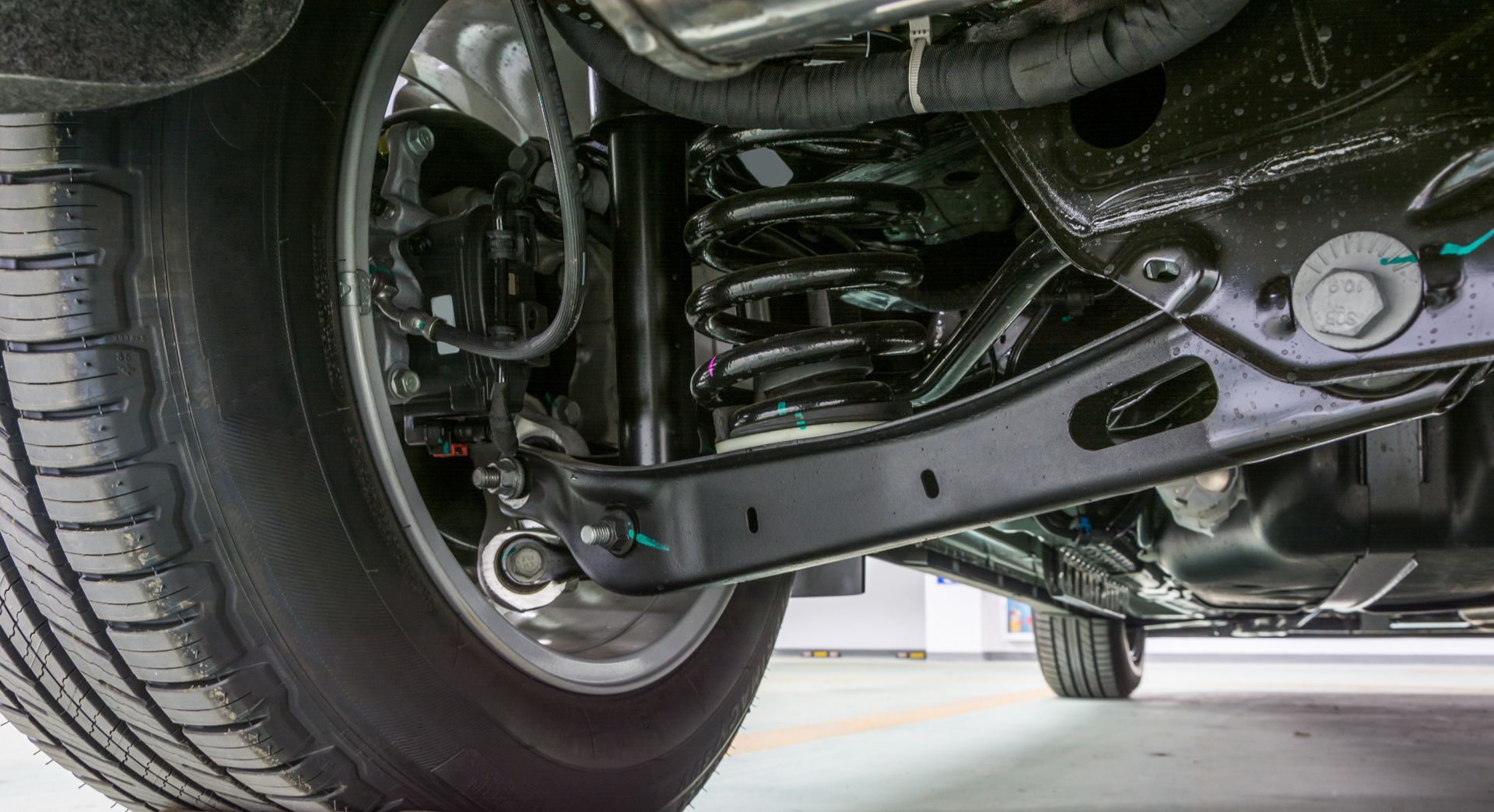
Brake vibration can be caused by pads, rotors, calipers, wheel bearings, or suspension parts. Testing matters because the part you feel through the pedal or steering wheel is not always the only part involved.
The Car Pulls When Braking
A car that pulls to one side during braking is not stopping evenly. One brake may be applying harder than the other, or one side may be dragging, sticking, or wearing differently.
Possible causes include a stuck caliper, restricted brake hose, uneven pad wear, contaminated brake parts, tire issues, or suspension wear. The timing of the pull matters. A pull only during braking tells a different story than a pull that happens all the time.
Do not wait for the tire wear to prove the problem. Uneven braking can affect control during quick stops.
A Hot Smell Near One Wheel
A sharp, hot, or burning smell after driving can mean a brake is dragging. A sticking caliper, a dry slide pin, a collapsed hose, or a parking brake issue can keep the pad pressed against the rotor even when your foot is off the pedal.
That heat can damage pads, rotors, calipers, hoses, and brake fluid. You may also notice one wheel has more brake dust than the others or feels hotter after driving.
Common signs that brake repair may be needed include:
- Squealing that keeps coming back
- Grinding while braking or driving
- A soft, low, or changing brake pedal
- Steering wheel shake during stops
- Pulling to one side while braking
- A hot smell near one wheel
If any of these signs show up, the brake system should be checked before the problem spreads.
Stopping Distance Feels Longer
Sometimes the warning is not noise. It is a distance. The vehicle may still stop, but it needs more room than it used to. You may find yourself pressing harder on the pedal or leaving more space in traffic without thinking about it.
Worn pads, glazed pads, damaged rotors, old brake fluid, brake fade, or caliper problems can all make braking feel weaker. These changes can occur slowly, making them easier to accept as normal.
During regular maintenance, brake pad thickness, rotor condition, caliper movement, hoses, hardware, and fluid condition should all be checked. Brake repair is easier to plan when wear is detected before the system feels unsafe.
Get Brake Repair In Newburgh, IN, With Menke's Automotive Repair
If your brakes squeal, grind, vibrate, pull, smell hot, or feel different at the pedal, Menke's Automotive Repair in Newburgh, IN, can check the full brake system and explain what needs attention.